
Insights & Stories from Vite Tech
Expert perspectives, industry trends, and technology insights to help businesses innovate and grow.
Pinned at Vite Tech

5 Practical Steps to Implementing Least-Privilege Access for Multi-Cloud Data Storage
In an era where data is scattered across AWS, Azure, and Google Cloud, securing multi-cloud storage is one of the greatest challenges facing modern engineering teams. Implementing a strict least-privilege access model is no longer optional—it is the cornerstone of modern cloud security. This practical guide breaks down five actionable steps to help your organization minimize its attack surface, streamline permissions, and maintain robust data governance across diverse cloud environments.
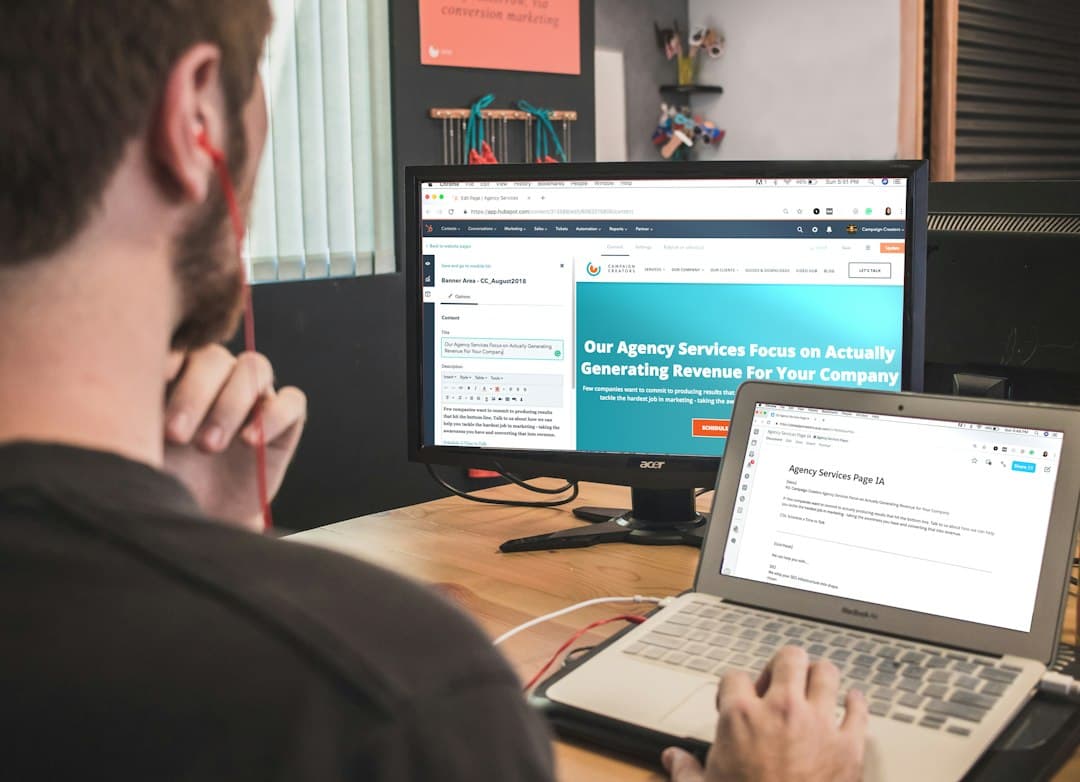
How to Build Advanced Automation Workflows in HubSpot for B2B Tech Leads
In the high-stakes world of B2B technology sales, generic email blasts and basic drip campaigns no longer move the needle. Modern tech buyers—ranging from discerning software engineers to risk-averse CTOs—demand highly contextual, timely, and technically accurate interactions. This guide demonstrates how to architect advanced HubSpot automation workflows that capture developer intent, leverage product usage data, and streamline sales alignment.

This Is How We Ship 10x Faster With AI Agents
At ViteTech, we have transitioned from treating AI as a basic autocomplete helper to embedding fully autonomous AI agents directly into our core software delivery lifecycle. This shift did not just optimize our workflows; it revolutionized them, enabling our engineering teams to ship production-ready code ten times faster. In this post, we break down our exact agentic AI architecture and show you how to implement it in your own development pipeline.

From Idea to Production in Days, Not Months
In today’s hyper-competitive software landscape, speed to market is no longer just an advantage—it is a survival mechanism. For startups and enterprise teams alike, spending months in stealth development without real-world feedback is a recipe for wasted capital and missed opportunities. This guide outlines the exact paradigm shift, architectural choices, and operational strategies we use at ViteTech to help teams ship production-ready software in days rather than months.

From Vision to Execution: Transitioning Seamlessly from Release Planning to Sprint Planning
In modern software development, a common point of failure is the disconnect between high-level strategic vision and day-to-day execution. While release planning sets the long-term trajectory, teams often struggle to translate those broad goals into actionable, bite-sized tasks during sprint planning. This guide explores how to build a reliable bridge between these two critical phases, ensuring your engineering team remains aligned, efficient, and focused on delivering high-impact value.

5 Sales Automation Strategies to Boost Your Team’s Productivity
In today’s hyper-competitive market, sales teams often find themselves buried under repetitive administrative tasks rather than doing what they do best: building relationships and closing deals. At ViteTech, we believe that modern software engineering practices can unlock unprecedented efficiency in the sales funnel. By implementing these five high-impact sales automation strategies, tech decision-makers can eliminate bottlenecks, unify disparate data sources, and empower their sales reps to focus on high-value human interactions.

AI-Assisted Software Testing: How Manual Testers Can Work Smarter with AI
The software testing landscape is undergoing a massive shift as artificial intelligence transitions from a futuristic concept to an indispensable engineering partner. For manual QA professionals, this evolution is not a threat, but rather the ultimate superpower to scale their impact. At ViteTech, we believe that integrating AI into manual testing workflows empowers QA teams to work smarter, eliminate repetitive tasks, and focus on high-value exploratory testing.

A Developer’s Guide to Evaluating and Benchmarking Custom LLM Performance
Deploying LLMs to production requires moving past subjective, manual testing to a rigorous, automated benchmarking strategy. This guide outlines how software engineering teams can establish quantitative evaluation metrics, build reliable test suites, and automate LLM validation within their existing developer workflows.
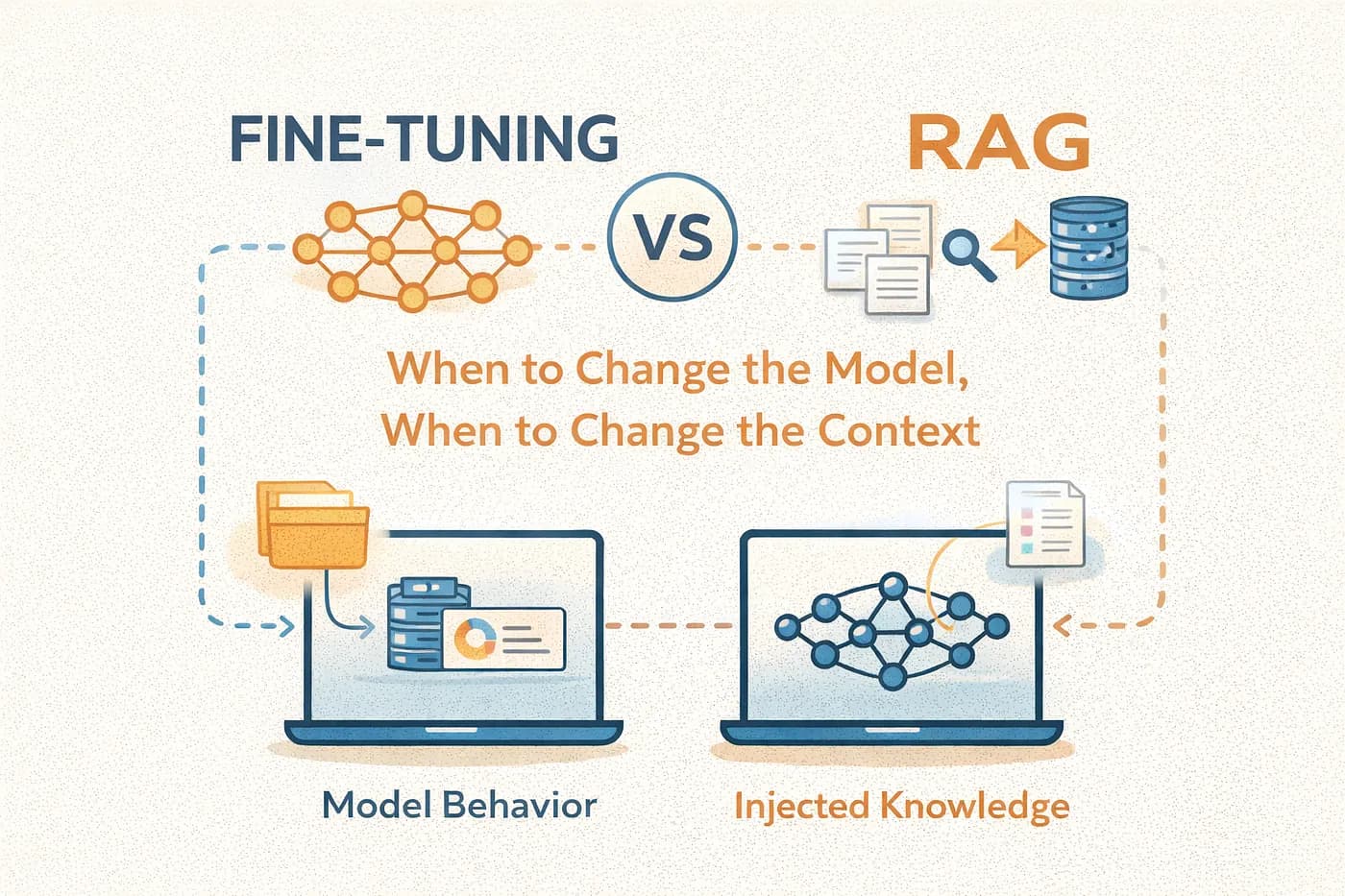
RAG vs. Fine-Tuning: How to Choose the Right LLM Architecture for Your Enterprise
As enterprises rush to integrate Generative AI into their core operations, decision-makers face a critical architectural fork in the road: Retrieval-Augmented Generation (RAG) or Fine-Tuning. While both pathways promise to customize Large Language Models (LLMs) with proprietary business data, they serve fundamentally different technical needs, carry distinct cost profiles, and solve separate classes of problems. This guide breaks down the mechanics, trade-offs, and decision matrices to help your engineering team choose the optimal path for your enterprise workloads.
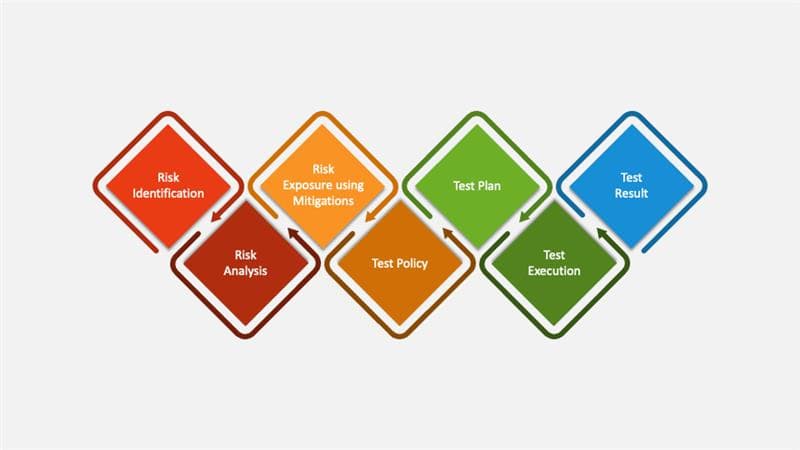
Risk-Based Testing: Prioritizing the Right Tests for Faster Releases
In today’s fast-paced software delivery landscape, testing everything is an expensive illusion that stalls deployments. Risk-Based Testing shifts the focus from exhaustive coverage to strategic mitigation, ensuring your team tests what actually matters. By aligning your testing efforts with business impact and failure probability, you can confidently accelerate release cycles without compromising on production quality.

Cloud Databases: Driving Scalability and Business Agility
In today’s hyper-competitive digital landscape, the ability to scale applications instantly and pivot business strategies rapidly is no longer a luxury—it is a survival requirement. Traditional on-premises databases often act as anchors, dragging down development velocity with maintenance overhead and rigid capacity planning. This article explores how migrating to cloud databases empowers organizations to unlock unprecedented scalability, streamline operations, and drive continuous innovation.

Shift-Left Testing in Modern Software Development: How QA Can Identify Defects Earlier
In the fast-paced world of modern software engineering, waiting until the end of the development cycle to test your application is a recipe for delayed releases and ballooning budgets. Shift-left testing redefines this paradigm by integrating quality assurance from the very inception of a project. By bringing QA into the early design and planning phases, development teams can identify critical defects when they are easiest—and cheapest—to resolve.
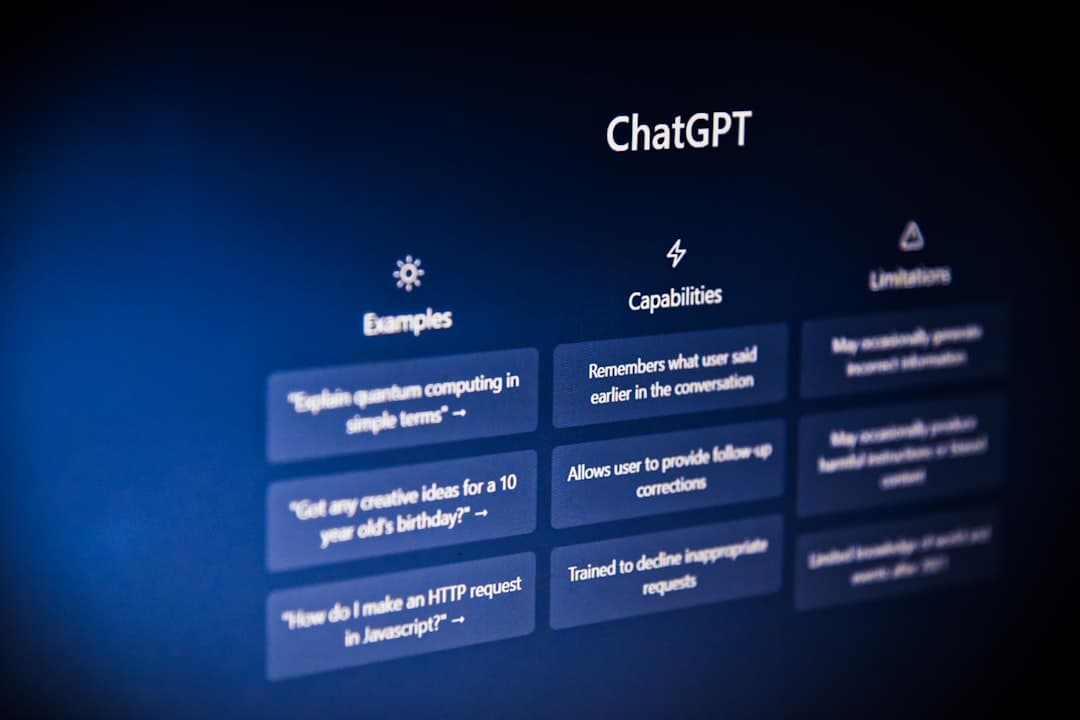
ChatGPT vs Coding AI: What’s the Difference?
AI has become a regular part of software development. From fixing bugs to generating code, developers now have several AI tools to choose from. But what is the actual difference between ChatGPT and coding AI tools?
The simple answer: ChatGPT is a general-purpose AI assistant, while coding AI is designed specifically to support developers inside their coding workflow.
Will AI Replace Developers, or Just Make Them Unstoppable?
For years, developers have heard the same prediction:
“AI will replace programmers.”
Every time AI gets better at writing code, the conversation starts again.
AI can now generate React components, write APIs, create database queries, find bugs, explain unfamiliar code, write tests, and even work through entire software-development tasks.
So it is reasonable to ask:
If AI can write code, what happens to developers?
The answer, however, may be more interesting than simply “developers will be replaced.”
AI is changing what it means to be a developer.
And rather than making developers unnecessary, it may give good developers something they have never had before: the ability to move from idea to implementation dramatically faster.
The real question may not be:
“Will AI replace developers?”
It may be:
“What will a developer be capable of when AI handles much of the repetitive work?”
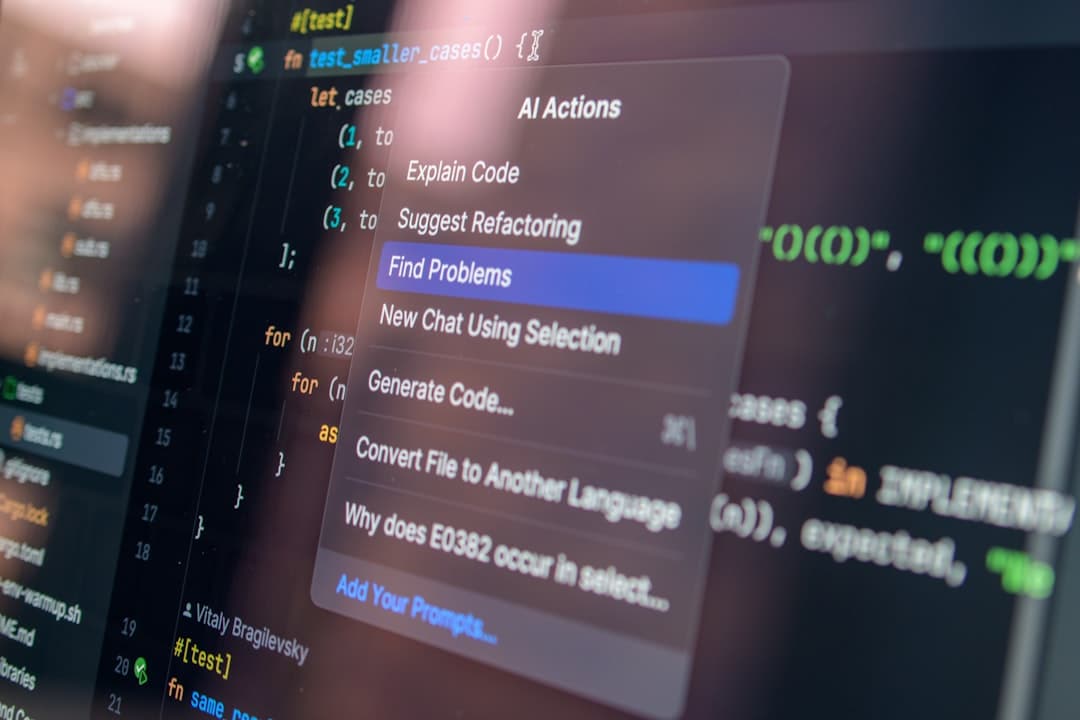
How AI Coding Agents Actually Work Behind the Scenes
AI has fundamentally transformed how we write software. Just a few years ago, prompting an AI to “write a React component” felt impressive. Today, developers can hand an AI coding agent a much larger, multi-step objective:
“Find why the checkout API is returning a 500 error, fix it, add a test, and make sure the existing tests still pass.”
Once given this instruction, the agent doesn’t just generate static code—it acts. It navigates the codebase, analyzes relevant files, reads the existing implementation, applies targeted changes, and runs the test suite. If a test fails, it inspects the error output, refines its approach, and iterates until the solution is robust.
While this workflow can feel like magic, it is actually governed by a highly structured, repeatable system. Modern AI coding agents achieve this by combining a large language model (LLM) with deep codebase context, specialized tools, sandboxed execution environments, and a continuous feedback loop.
For developers, demystifying this architecture is crucial. By understanding the underlying mechanics, we can answer an increasingly important question: What is actually happening under the hood when an AI coding agent modifies our codebase?
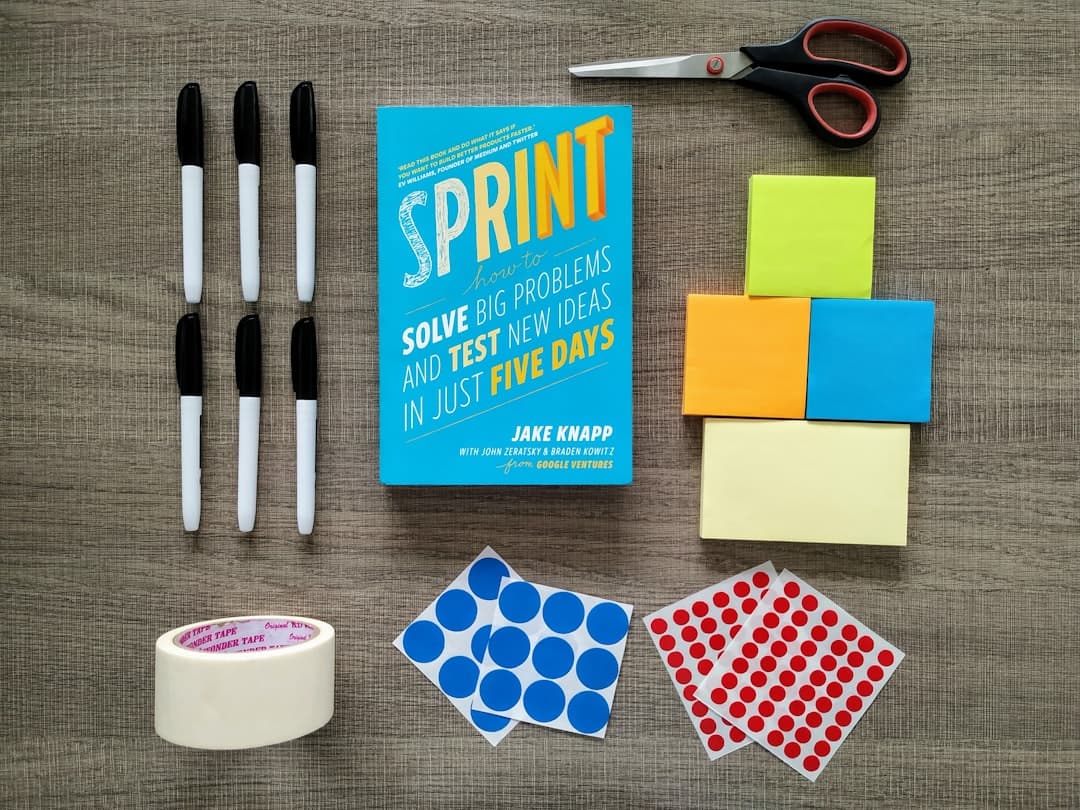
Arrhythmia in Agile: 5 Signs Your Scrum Sprint Cycle is Losing Its Beat (and How to Fix It)
In software development, a healthy Scrum sprint cycle functions like a predictable, steady heartbeat driving consistent value delivery. However, when estimation errors, scope creep, and communication breakdowns disrupt this rhythm, your team experiences Agile arrhythmia. This guide diagnoses the five critical warning signs that your sprint cycle is losing its beat and provides actionable, engineering-first remedies to restore your team’s development cadence.

The Role of System Design in Building High-Availability Cloud Applications
In modern cloud computing, achieving ‘five nines’ of availability is not a byproduct of luck or expensive infrastructure; it is the direct result of deliberate system design. As organizations migrate critical workloads to the cloud, understanding how to architect for failure becomes the ultimate differentiator between resilient systems and catastrophic downtime. This guide explores the core architectural patterns and design principles that enable software engineers to build highly available cloud applications that stand up to real-world chaos.
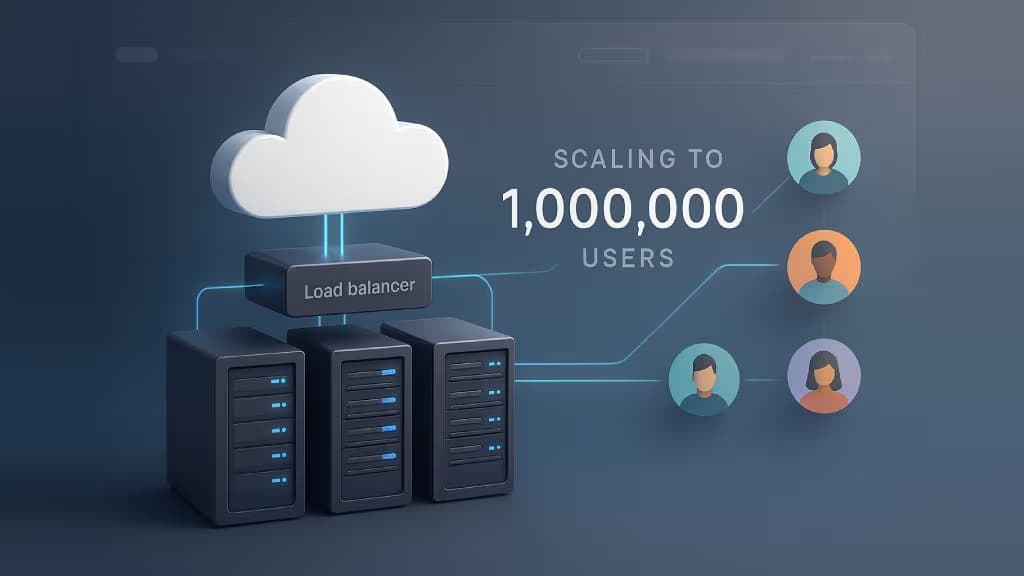
From 0 to 1M Users: Backend Architecture That Actually Scales
Every developer dreams of building something that suddenly explodes with users. One day you have a handful of people using your app, and the next day thousands — maybe even millions — are hitting your backend. The problem? Most applications are not built to survive that moment. Scaling a backend isn’t just about buying a bigger server. It’s about designing systems that can grow without […]

Mistakes We Made in Production & What We Learned
A Dev Team’s Journal from Real Production Failures There’s a difference between code that works in development and code that survives real users. We learned that the hard way. This blog is not about perfection — it’s about the mistakes we made in production, what broke, and how we fixed it. The Shortcut Trap (Temporary Fixes That Backfired) […]
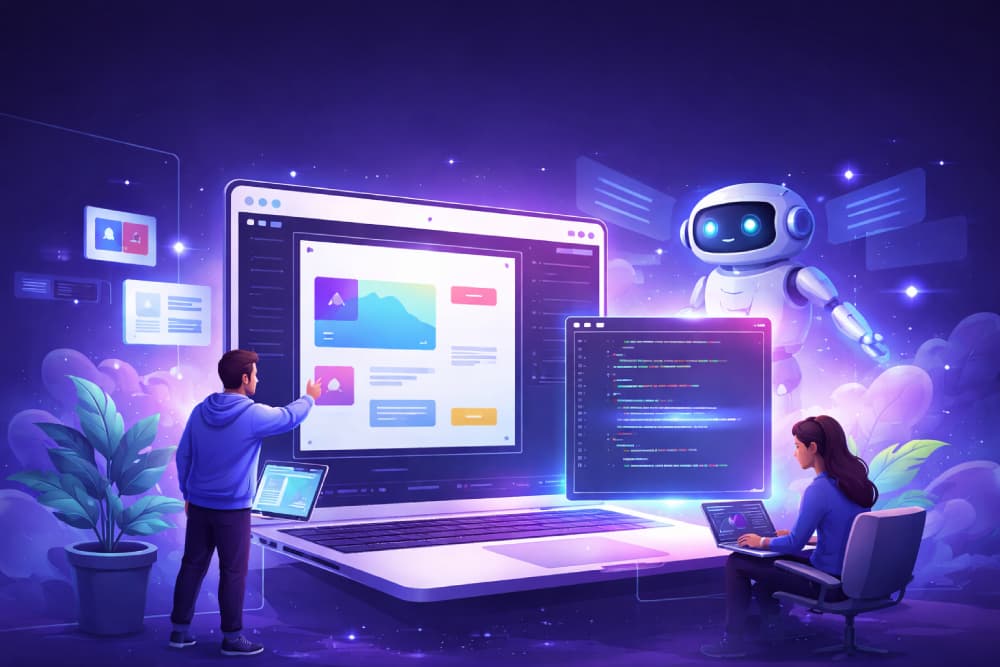
Design to Code with Figma AI: The Future of UI Development
Design and development are evolving rapidly, and AI is playing a major role in reshaping how digital products are created. Tools like Figma are no longer just design platforms—they are becoming intelligent assistants that help designers and developers work faster, smarter, and more efficiently. With the introduction of AI-powered features, Figma is transforming the way […]
Trending at Vite Tech
How to Build Advanced Automation Workflows in HubSpot for B2B Tech Leads
In the high-stakes world of B2B technology sales, generic email blasts and basic drip campaigns no longer move the needle. Modern tech buyers—ranging from discerning software engineers to risk-averse CTOs—demand highly contextual, timely, and technically accurate interactions. This guide demonstrates how to architect advanced HubSpot automation workflows that capture developer intent, leverage product usage data, and streamline sales alignment.
This Is How We Ship 10x Faster With AI Agents
At ViteTech, we have transitioned from treating AI as a basic autocomplete helper to embedding fully autonomous AI agents directly into our core software delivery lifecycle. This shift did not just optimize our workflows; it revolutionized them, enabling our engineering teams to ship production-ready code ten times faster. In this post, we break down our exact agentic AI architecture and show you how to implement it in your own development pipeline.
From Idea to Production in Days, Not Months
In today’s hyper-competitive software landscape, speed to market is no longer just an advantage—it is a survival mechanism. For startups and enterprise teams alike, spending months in stealth development without real-world feedback is a recipe for wasted capital and missed opportunities. This guide outlines the exact paradigm shift, architectural choices, and operational strategies we use at ViteTech to help teams ship production-ready software in days rather than months.
From Vision to Execution: Transitioning Seamlessly from Release Planning to Sprint Planning
In modern software development, a common point of failure is the disconnect between high-level strategic vision and day-to-day execution. While release planning sets the long-term trajectory, teams often struggle to translate those broad goals into actionable, bite-sized tasks during sprint planning. This guide explores how to build a reliable bridge between these two critical phases, ensuring your engineering team remains aligned, efficient, and focused on delivering high-impact value.
5 Sales Automation Strategies to Boost Your Team’s Productivity
In today’s hyper-competitive market, sales teams often find themselves buried under repetitive administrative tasks rather than doing what they do best: building relationships and closing deals. At ViteTech, we believe that modern software engineering practices can unlock unprecedented efficiency in the sales funnel. By implementing these five high-impact sales automation strategies, tech decision-makers can eliminate bottlenecks, unify disparate data sources, and empower their sales reps to focus on high-value human interactions.
AI-Assisted Software Testing: How Manual Testers Can Work Smarter with AI
The software testing landscape is undergoing a massive shift as artificial intelligence transitions from a futuristic concept to an indispensable engineering partner. For manual QA professionals, this evolution is not a threat, but rather the ultimate superpower to scale their impact. At ViteTech, we believe that integrating AI into manual testing workflows empowers QA teams to work smarter, eliminate repetitive tasks, and focus on high-value exploratory testing.
Explore by Category
This Is How We Ship 10x Faster With AI Agents
At ViteTech, we have transitioned from treating AI as a basic autocomplete helper to embedding fully autonomous AI agents directly into our core software delivery lifecycle. This shift did not just optimize our workflows; it revolutionized them, enabling our engineering teams to ship production-ready code ten times faster. In this post, we break down our exact agentic AI architecture and show you how to implement it in your own development pipeline.
How to Build Advanced Automation Workflows in HubSpot for B2B Tech Leads
In the high-stakes world of B2B technology sales, generic email blasts and basic drip campaigns no longer move the needle. Modern tech buyers—ranging from discerning software engineers to risk-averse CTOs—demand highly contextual, timely, and technically accurate interactions. This guide demonstrates how to architect advanced HubSpot automation workflows that capture developer intent, leverage product usage data, and streamline sales alignment.
From Idea to Production in Days, Not Months
In today’s hyper-competitive software landscape, speed to market is no longer just an advantage—it is a survival mechanism. For startups and enterprise teams alike, spending months in stealth development without real-world feedback is a recipe for wasted capital and missed opportunities. This guide outlines the exact paradigm shift, architectural choices, and operational strategies we use at ViteTech to help teams ship production-ready software in days rather than months.
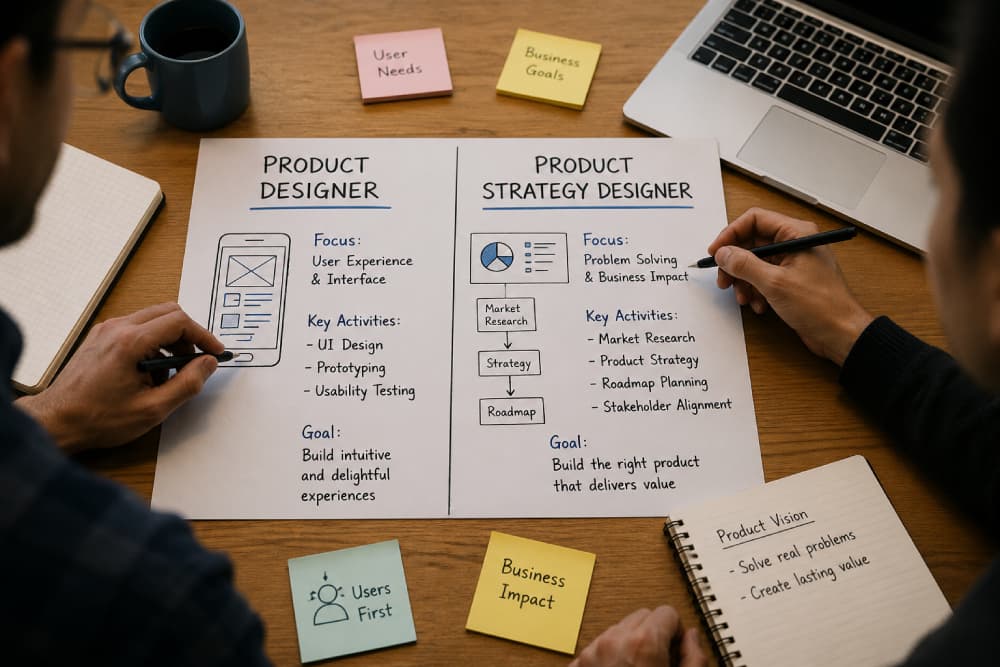
Product Designer vs Product Strategy Designer: What’s the Real Difference in 2026?
As AI tools accelerate design execution, the gap between Product Design and Strategy has widened. Learn how these two distinct roles complement each other to drive user satisfaction and business growth. What’s the Real Difference in 2026? In 2026, the landscape of digital product creation has shifted. With modern tools accelerating prototyping and UI generation, […]
Cloud Databases: Driving Scalability and Business Agility
In today’s hyper-competitive digital landscape, the ability to scale applications instantly and pivot business strategies rapidly is no longer a luxury—it is a survival requirement. Traditional on-premises databases often act as anchors, dragging down development velocity with maintenance overhead and rigid capacity planning. This article explores how migrating to cloud databases empowers organizations to unlock unprecedented scalability, streamline operations, and drive continuous innovation.
From Vision to Execution: Transitioning Seamlessly from Release Planning to Sprint Planning
In modern software development, a common point of failure is the disconnect between high-level strategic vision and day-to-day execution. While release planning sets the long-term trajectory, teams often struggle to translate those broad goals into actionable, bite-sized tasks during sprint planning. This guide explores how to build a reliable bridge between these two critical phases, ensuring your engineering team remains aligned, efficient, and focused on delivering high-impact value.
AI-Assisted Software Testing: How Manual Testers Can Work Smarter with AI
The software testing landscape is undergoing a massive shift as artificial intelligence transitions from a futuristic concept to an indispensable engineering partner. For manual QA professionals, this evolution is not a threat, but rather the ultimate superpower to scale their impact. At ViteTech, we believe that integrating AI into manual testing workflows empowers QA teams to work smarter, eliminate repetitive tasks, and focus on high-value exploratory testing.

The Intelligent Itinerary: How AI is Transforming Travel Booking
The travel industry has always been at the forefront of technological adoption, from the early days of online travel agencies (OTAs) mode to today’s mobile-first world. However, the integration of Artificial Intelligence (AI) is proving to be the most transformative shift yet.
How to Build Advanced Automation Workflows in HubSpot for B2B Tech Leads
In the high-stakes world of B2B technology sales, generic email blasts and basic drip campaigns no longer move the needle. Modern tech buyers—ranging from discerning software engineers to risk-averse CTOs—demand highly contextual, timely, and technically accurate interactions. This guide demonstrates how to architect advanced HubSpot automation workflows that capture developer intent, leverage product usage data, and streamline sales alignment.
This Is How We Ship 10x Faster With AI Agents
At ViteTech, we have transitioned from treating AI as a basic autocomplete helper to embedding fully autonomous AI agents directly into our core software delivery lifecycle. This shift did not just optimize our workflows; it revolutionized them, enabling our engineering teams to ship production-ready code ten times faster. In this post, we break down our exact agentic AI architecture and show you how to implement it in your own development pipeline.
From Idea to Production in Days, Not Months
In today’s hyper-competitive software landscape, speed to market is no longer just an advantage—it is a survival mechanism. For startups and enterprise teams alike, spending months in stealth development without real-world feedback is a recipe for wasted capital and missed opportunities. This guide outlines the exact paradigm shift, architectural choices, and operational strategies we use at ViteTech to help teams ship production-ready software in days rather than months.
From Vision to Execution: Transitioning Seamlessly from Release Planning to Sprint Planning
In modern software development, a common point of failure is the disconnect between high-level strategic vision and day-to-day execution. While release planning sets the long-term trajectory, teams often struggle to translate those broad goals into actionable, bite-sized tasks during sprint planning. This guide explores how to build a reliable bridge between these two critical phases, ensuring your engineering team remains aligned, efficient, and focused on delivering high-impact value.
5 Sales Automation Strategies to Boost Your Team’s Productivity
In today’s hyper-competitive market, sales teams often find themselves buried under repetitive administrative tasks rather than doing what they do best: building relationships and closing deals. At ViteTech, we believe that modern software engineering practices can unlock unprecedented efficiency in the sales funnel. By implementing these five high-impact sales automation strategies, tech decision-makers can eliminate bottlenecks, unify disparate data sources, and empower their sales reps to focus on high-value human interactions.
AI-Assisted Software Testing: How Manual Testers Can Work Smarter with AI
The software testing landscape is undergoing a massive shift as artificial intelligence transitions from a futuristic concept to an indispensable engineering partner. For manual QA professionals, this evolution is not a threat, but rather the ultimate superpower to scale their impact. At ViteTech, we believe that integrating AI into manual testing workflows empowers QA teams to work smarter, eliminate repetitive tasks, and focus on high-value exploratory testing.
A Developer’s Guide to Evaluating and Benchmarking Custom LLM Performance
Deploying LLMs to production requires moving past subjective, manual testing to a rigorous, automated benchmarking strategy. This guide outlines how software engineering teams can establish quantitative evaluation metrics, build reliable test suites, and automate LLM validation within their existing developer workflows.
RAG vs. Fine-Tuning: How to Choose the Right LLM Architecture for Your Enterprise
As enterprises rush to integrate Generative AI into their core operations, decision-makers face a critical architectural fork in the road: Retrieval-Augmented Generation (RAG) or Fine-Tuning. While both pathways promise to customize Large Language Models (LLMs) with proprietary business data, they serve fundamentally different technical needs, carry distinct cost profiles, and solve separate classes of problems. This guide breaks down the mechanics, trade-offs, and decision matrices to help your engineering team choose the optimal path for your enterprise workloads.
Risk-Based Testing: Prioritizing the Right Tests for Faster Releases
In today’s fast-paced software delivery landscape, testing everything is an expensive illusion that stalls deployments. Risk-Based Testing shifts the focus from exhaustive coverage to strategic mitigation, ensuring your team tests what actually matters. By aligning your testing efforts with business impact and failure probability, you can confidently accelerate release cycles without compromising on production quality.