In 2026, the PHP ecosystem has undergone a massive transformation. No longer just a “scripting language,” modern PHP 8.5+ has evolved into a high-performance, strictly-typed powerhouse that works in tandem with sophisticated AI agents.
The “Modern PHP” workflow today is defined by Agentic Workflows—where AI doesn’t just suggest code but actively plans, refactors, and tests entire modules.
The Core: PHP 8.5 & 2026 Language Features
Before touching the AI tools, it’s vital to understand the “Modern PHP” substrate they operate on. PHP 8.5 (released late 2025) introduced several features that AI tools leverage for cleaner generation:
The Pipe Operator (|>): Allows for functional-style data processing pipelines, making AI-generated transformation logic much more readable.
PHP
$result = $input_data
|> sanitize(…)
|> validate(…)
|> save_to_db(…);
- Built-in URI Extension: Standardized URL handling directly in the core, reducing the AI’s reliance on third-party helper libraries.
- #[NoDiscard] Attribute: AI agents now use this to ensure you don’t accidentally ignore return values from critical business logic.
- Persistent cURL Share Handles: Improved performance for AI-driven microservices that communicate frequently over the web.
AI-Powered Development Environments
The IDE is no longer a passive text editor; it is a collaborative workspace.
The “Big Three” IDEs for 2026
| Tool |
Best For |
Key AI Innovation |
| PhpStorm + Junie |
Enterprise / Frameworks |
Junie Agent: A deep-context agent that understands Laravel/Symfony structures and performs multi-file refactoring. |
| Cursor |
Rapid Iteration |
Composer Mode: Can build an entire feature (Model, Controller, Migration, and View) from a single prompt. |
| Windsurf |
Open Source / Free |
Flow-State AI: Built-in agentic capabilities that can execute terminal commands and debug in real-time. |
Smarter Development Workflows
A. Spec-Driven Development (SDD)
In 2026, senior PHP developers rarely start with code. They use Claude 4.5 or GPT-5.4 to write a “Spec” first.
- Input: Describe the feature in Markdown.
- AI Action: The agent generates a technical design document and a set of Pest or PHPUnit tests.
- Execution: Only after you approve the logic does the AI “fill in” the implementation to make the tests pass.
B. Automated Legacy Modernization
One of the biggest uses for AI in PHP today is converting “Legacy” (PHP 5.6/7.x) codebases to modern standards.
- Rector + AI: Modern tools now combine Rector’s AST-based migrations with LLM reasoning to fix complex “hallucination-prone” logic that simple regex tools used to miss.
- Type Coverage: AI agents automatically scan projects to add missing property types and return types, achieving 100% type safety in days rather than months.
AI in Testing and Quality Assurance
Testing has shifted from a chore to an automated byproduct of development.
- Pest 3.x with AI Plugins: Most PHP developers now use Pest. AI plugins can look at a function and instantly generate a “Mutation Test” suite to ensure your tests are actually effective.
- Visual Regression for Blade/Livewire: Tools like Applitools or Percy use AI to “see” your UI. If an AI-generated CSS change breaks a button’s alignment in a Laravel Blade component, the CI/CD pipeline catches it before it hits staging.
- Self-Healing Tests: If you change a CSS class or a DOM structure, AI-driven test runners (like Sauce Labs AI) can “heal” the test selectors automatically.
Security: The “AI Shield”
Modern PHP development in 2026 includes AI-DR (AI Detection & Response):
- Static Analysis on Steroids: PHPStan and Psalm now integrate with local LLMs (via Ollama or LM Studio) to explain why a security vulnerability exists and suggest a one-click fix.
- Dependency Auditing: AI agents monitor your composer.json for “hallucinated” or malicious packages that may have been injected via supply-chain attacks.
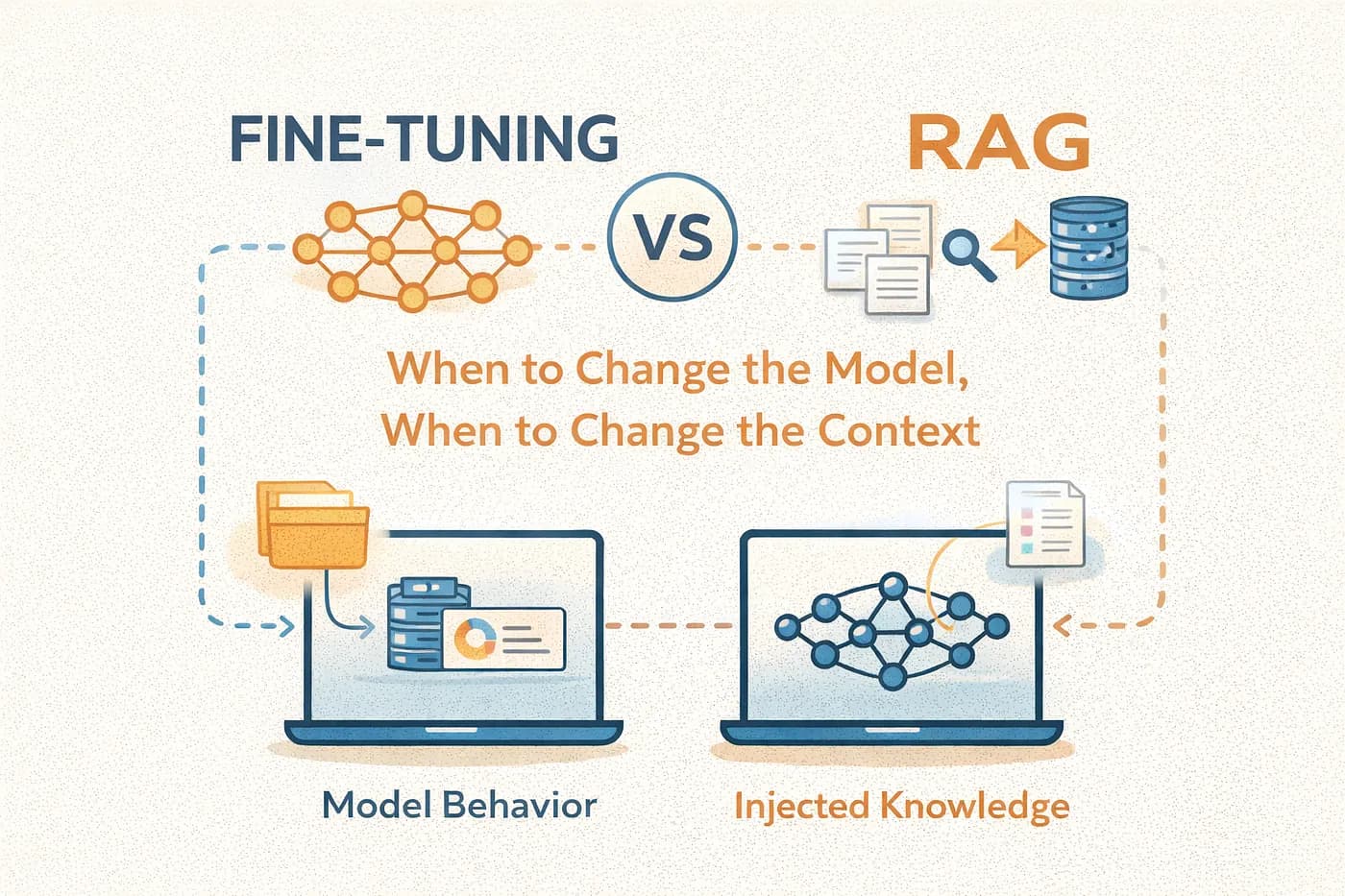
Pro Tip: When using AI to generate PHP code, always use a Local RAG (Retrieval-Augmented Generation) setup. Feed your company’s coding standards and existing codebase into a tool like Tabnine Enterprise so the AI writes code that looks like your team’s code, not generic internet snippets