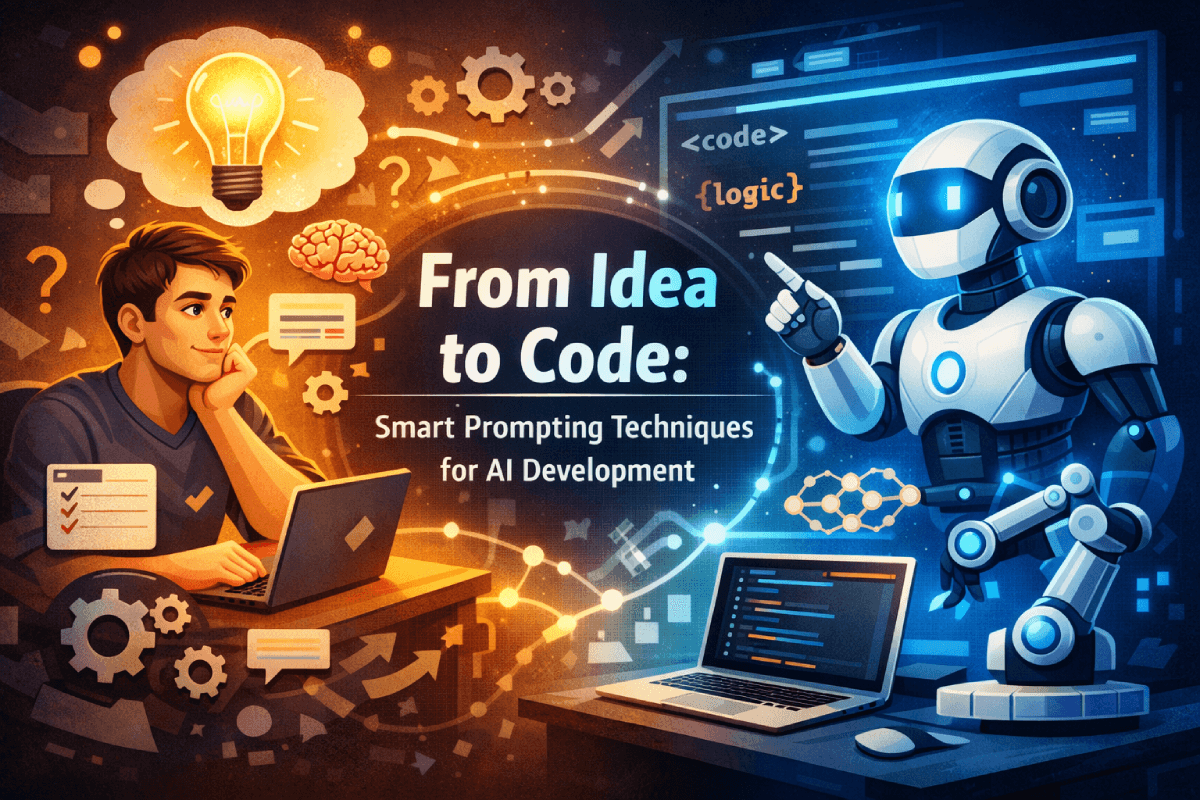
AI has quickly become an integral part of both our professional workflows and everyday lives. However, have you ever felt dissatisfied with the output it produces? Or questioned whether you’re truly making the most of its capabilities? This article introduces the fundamentals of writing effective prompts, helping you unlock the full potential of AI and achieve better results.
What is Prompt?
Prompts are the instructions you give to an AI system to generate specific results. Simply put, they act as conversation starters—how and what you communicate to the AI so it can respond with useful and relevant information. From there, you can continue refining your prompts, allowing the AI to build on previous responses. It’s similar to having a conversation with another person, except it takes place through text, and your conversation partner is AI.
A prompt can be as short as a single phrase or as detailed as multiple sentences or even full paragraphs. Modern AI models can also process multimodal inputs, such as images and audio. Despite the growing sophistication of these tools, it’s still useful to think of generative AI platforms like ChatGPT as “machines you program using words” (Mollick, 2023). Ultimately, the quality of the responses you receive depends heavily on how clearly and effectively you craft your prompts.
How Your Prompts Influence AI Output?
One of the most powerful aspects of AI is its adaptability. This means you can—and should—guide the kind of results you receive by crafting clear and detailed prompts. Well-structured prompts help you get more accurate, relevant, and useful outputs.
This effectiveness comes from how modern AI systems—such as ChatGPT and Claude—are built. They rely on a combination of Natural Language Processing and Machine Learning. Together, these technologies allow AI to understand prompts written in a natural, conversational style, much like how you would communicate with another person. They also enable systems to improve over time by learning from user interactions and data. As a result, AI can deliver responses that are more aligned with what users actually mean, not just what they say.
Writing Effective Prompts:
Your prompt can be as simple as a question like, “Create a project for a hotel booking website.” An AI system such as ChatGPT will quickly generate a response. However, you can significantly improve the quality of the output by adding more context or assigning a specific role or tone.
For example, you might say, “You are an experienced developer specializing in Next.js with expertise in building hotel booking platforms. Create a scalable and user-friendly hotel booking website project.” This type of prompt will produce a much more refined and relevant response, as it includes clear context, role definition, and expectations.
Be Specific
Your prompt should include clear and detailed inputs, such as the target audience, location, room types, amenities, payment methods, and booking policies. The more precise your input, the better the AI can understand your requirements and generate relevant results. AI models rely heavily on the clarity of the information they receive, so refining your prompts with explicit context, constraints, and goals can greatly improve output quality. Being specific not only helps the AI interpret your request accurately but also leads to more tailored responses with fewer errors.
Conclusion
As more people look to leverage the power of AI, crafting effective prompts has become an essential skill. Well-structured prompts guide AI toward the desired outcome and help deliver optimal results. Tools like ChatGPT and Claude showcase the potential of AI by adapting to user inputs, simulating human-like conversations, and generating meaningful responses.
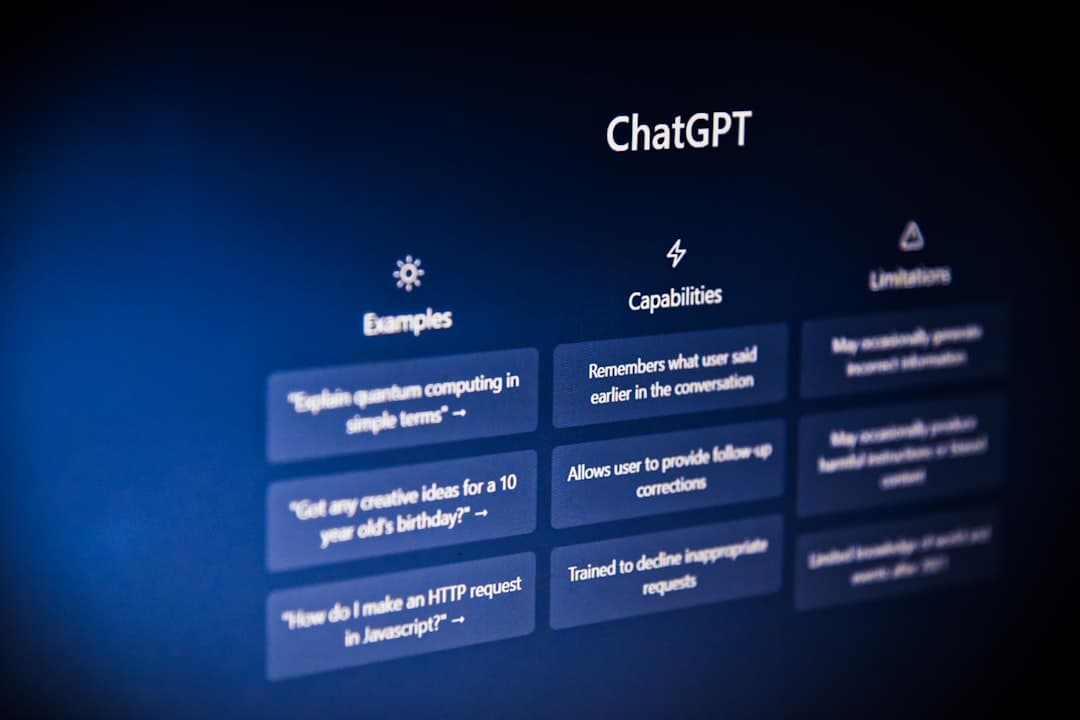
However, it’s important to remain mindful of their limitations. AI systems can still produce inaccuracies, reflect biases, or be misinterpreted if not used carefully. That’s why users should approach AI outputs with critical thinking, ensuring they validate and refine results rather than relying on them blindly.